Maintaining a healthy smile is an important part of overall well-being. Good oral hygiene helps protect teeth and gums, supports comfortable eating and speaking, and can prevent many common dental problems. Dentists help patients maintain their oral health through regular examinations, professional cleanings, restorative treatments, and personalized advice. Whether someone needs a routine check-up, treatment for a cavity, or guidance on improving their daily dental habits, professional dental care plays an important role in keeping their smile healthy.
Along with treating existing dental concerns, dentists encourage patients to take preventive steps at home. Simple habits such as brushing twice a day, flossing regularly, eating a balanced diet, and attending routine dental appointments can make a meaningful difference over time. Understanding the importance of these practices allows individuals to make informed decisions about their oral health and reduce the risk of future complications.
Building Strong Oral Hygiene Habits
A consistent oral hygiene routine is one of the most effective ways to maintain healthy teeth and gums. Brushing twice daily with fluoride toothpaste helps remove plaque, strengthen tooth enamel, and reduce the risk of cavities. Using a soft-bristled toothbrush and gentle circular movements can help clean teeth effectively without irritating the gums. Replacing a toothbrush when its bristles become worn also helps maintain an effective cleaning routine.
Flossing is equally important because a toothbrush cannot reach every space between the teeth. Cleaning these areas daily helps remove trapped food particles and plaque that may contribute to gum inflammation and tooth decay. Limiting sugary snacks and drinks can further protect teeth, while drinking water throughout the day helps rinse away food debris and maintain moisture in the mouth. These small but consistent efforts can support better oral health and reduce the likelihood of requiring extensive dental treatment.
The Importance of Regular Dental Check-Ups
Routine dental appointments help identify potential problems before they become more complicated. During an examination, a dentist may check for cavities, gum disease, damaged teeth, and other changes affecting the mouth. Professional cleanings remove hardened plaque that cannot be eliminated through ordinary brushing and flossing. Depending on an individual’s oral health, the dentist may also recommend dental X-rays or additional preventive measures.
Regular visits are valuable even when teeth appear healthy and there is no noticeable discomfort. Some dental conditions develop gradually and may not cause symptoms during their early stages. Seeking Reliable dental care Richmond can help patients access professional guidance, preventive services, and treatment options suited to their individual needs. Maintaining an ongoing relationship with a dental professional also makes it easier to discuss concerns, understand treatment recommendations, and develop a practical plan for long-term oral health.
Modern Dental Technology and Patient Comfort
Advancements in dental technology continue to improve the way dental professionals diagnose and treat oral health conditions. Digital imaging allows dentists to examine teeth and supporting structures in greater detail, helping them identify concerns and plan appropriate treatments. Modern diagnostic tools can also make certain examinations more convenient, while improved dental materials provide durable and natural-looking options for repairing damaged teeth.
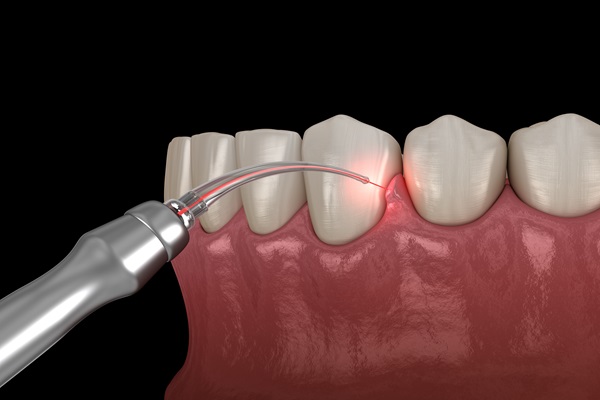
Other developments, including intraoral scanners, computer-assisted treatment planning, and selected laser procedures, can support greater precision in appropriate clinical situations. These technologies may help streamline certain treatments and improve the overall patient experience. However, the most suitable approach depends on the patient’s condition, treatment goals, and the dentist’s clinical assessment. Patients who feel nervous about dental appointments can discuss their concerns beforehand and ask about available comfort measures.
Protecting Your Smile Through Healthy Lifestyle Choices
Daily habits outside the bathroom can also influence dental health. A balanced diet that includes vegetables, fruits, whole grains, and calcium-rich foods supports healthy teeth and gums. Frequent consumption of sugary foods and acidic beverages can increase the risk of tooth decay and enamel erosion, especially when oral hygiene is inconsistent. Choosing water more often and avoiding frequent snacking on sugary products can help reduce these risks.
Lifestyle choices such as smoking and tobacco use can also contribute to gum disease, tooth discoloration, and other oral health complications. Paying attention to warning signs, including persistent bad breath, bleeding gums, tooth sensitivity, or ongoing dental pain, is equally important. These symptoms should not be ignored, as early professional assessment may help prevent a minor concern from developing into a more serious problem.
Conclusion
Maintaining a healthy smile requires a combination of consistent home care, preventive dental appointments, and informed lifestyle choices. Brushing and flossing properly, following a balanced diet, and seeking professional advice when concerns arise can help protect teeth and gums throughout life. Modern dental technology continues to offer new ways to improve diagnosis, treatment planning, and patient comfort, making dental care increasingly adaptable to individual needs.
Ultimately, good oral health is built through small, regular actions rather than occasional efforts. By developing healthy habits and maintaining regular contact with a dental professional, individuals can reduce their risk of common dental problems and enjoy greater confidence in their smiles. Taking preventive care seriously today can contribute to healthier teeth, stronger gums, and a more comfortable smile for years to come.